
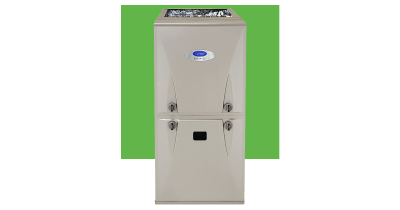
Trolley furnaces have been a game-changer in the industrial world. These powerful machines have revolutionized the way we melt and heat materials for various purposes. With advanced technology and precision engineering, trolley furnaces have become an essential part of many industries.
Efficiency at its Finest
The induction furnace is one of the most efficient types of trolley furnaces. It uses electromagnetic induction to generate heat, eliminating the need for direct contact with flames or fuel. This results in faster melting and heating processes, saving both time and energy. In addition, the induction furnace has precise temperature control, making it ideal for melting metals and alloys that require specific temperatures.
Customization for Every Need
One of the greatest advantages of trolley furnaces is their ability to be customized according to the industry’s needs. The versatility of design allows for a variety of materials to be melted or heated, such as steel, copper, aluminum, and more. This flexibility makes trolley furnaces suitable for a wide range of industries, from automotive to aerospace to metallurgy.
Durability and Longevity
Trolley furnaces are built to last, with sturdy construction and high-quality materials. They can withstand high temperatures and heavy use, making them a wise investment for any industry. Additionally, regular maintenance and upkeep can ensure the longevity of these furnaces, providing consistent and reliable performance throughout the years.
Industrial furnaces can be further classified into different types, and one of the most popular is the melting furnace. As the name suggests, this type of furnace is specifically designed for melting metals and alloys. Similar to other trolley furnaces, it uses advanced technology and precise temperature control to efficiently melt materials.
Revolutionizing Metal Production
Before the invention of trolley furnaces, melting metals was a labor-intensive and time-consuming process. Trolley furnaces have changed that by providing faster and more efficient methods for melting metals. This has greatly benefited industries such as metallurgy and manufacturing, allowing them to increase their production rates and meet the ever-growing demand for metal products.
The Environmental Impact
Trolley furnaces not only benefit industries but also have a positive impact on the environment. As mentioned earlier, their efficiency reduces energy consumption, resulting in lower carbon emissions. In addition, the use of clean and renewable energy sources for powering these furnaces can further reduce their environmental footprint. As the world moves towards cleaner and sustainable practices, trolley furnaces are playing their part in creating a better future.
In conclusion, trolley furnaces, including induction and melting furnaces, have truly revolutionized the industrial sector. With their efficiency, versatility, durability, and environmental impact, they have become an essential tool for many industries. Whether it’s heating or melting metals, these furnaces have provided a faster, more precise, and reliable solution. As technology continues to advance, we can expect even more innovative and efficient trolley furnaces in the future.
An industrial furnace is a type of equipment that is used for various heating processes such as melting, forging, and heat treating of metals. One type of industrial furnace is the induction furnace, which uses induction heating to heat and melt metal. Compared to traditional furnaces, induction furnaces are more energy-efficient and have a faster melting time. Another type of furnace is the melting furnace, which is commonly used for melting non-ferrous metals such as gold, silver, and copper. These furnaces use different heating methods such as gas, electricity, and oil to reach high temperatures and melt the metals. Industrial furnaces play a crucial role in various industries, from manufacturing to metallurgy, providing a reliable and efficient way to heat and melt metals for different applications.